CUSTOMER REVIEWS
Winter has a way of making small roofing issues feel easy to ignore. When temperatures drop, daylight hours shrink, and storms roll through, many homeowners and property managers decide to “wait it out” until spring. But delaying roof repairs during winter often leads to far greater costs, both financially and structurally, than addressing the problem early.
For property owners across Midland, Odessa, and surrounding West Texas communities, winter roof damage doesn’t usually come from heavy snowdrifts. Instead, it shows up as slow leaks, moisture intrusion, wind-related damage, and thermal stress that worsen existing vulnerabilities. Understanding the true cost of postponing repairs can help you shield your residence or commercial building before minor issues turn into major repairs.
Small Winter Roof Problems Don’t Stay Small
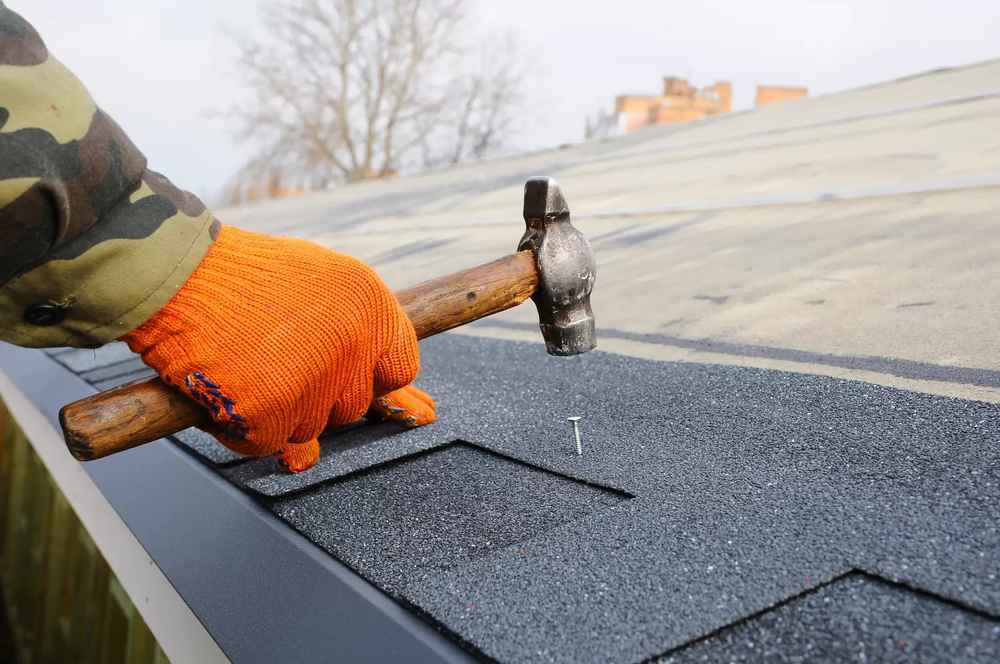
A loose shingle, a compromised seam, or a small puncture may not seem urgent during winter. However, cold weather causes roofing materials to contract, which can widen cracks and loosen fasteners. Add winter rain, occasional freezing temperatures, and strong seasonal winds, and water can begin entering areas it shouldn’t.
Once moisture gets beneath roofing materials, it can saturate insulation, rot decking, and weaken structural components. What may have started as a small repair can quickly escalate into a partial or full roof replacement if left unattended.

Interior Damage Adds Up Quickly
One of the most expensive consequences of delaying winter roof repairs is interior damage. Even a slow roof leak can lead to stained ceilings, warped drywall, damaged flooring, and mold growth, especially in areas that remain damp for long periods.
In residential homes, this often means repairs extend far beyond the roof itself. In commercial buildings, leaks can disrupt operations, damage inventory, and create safety concerns for employees and customers. These secondary costs frequently exceed the price of the original roof repair.
Flat and Commercial Roofs Face Unique Winter Risks
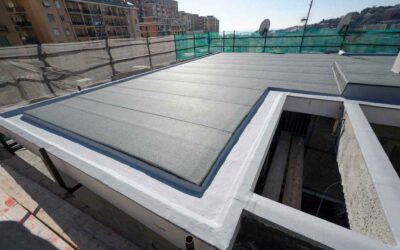
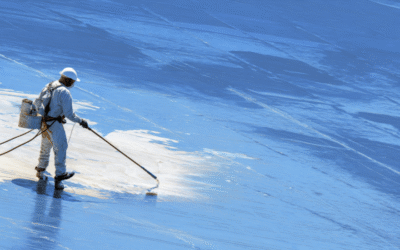
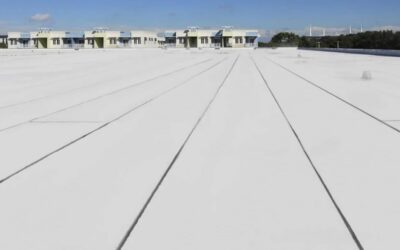
Commercial roofing systems, including spray foam roofing, modified bitumen, TPO, roof coatings, and other flat roof systems, are especially vulnerable when repairs are delayed. Winter moisture can pool on flat surfaces, seep into seams, or exploit aging membranes.
When repairs are postponed, water intrusion can compromise insulation layers and reduce energy efficiency, driving up heating costs throughout the season. Over time, trapped moisture can shorten the lifespan of the entire roofing system, making a full replacement necessary far sooner than expected.
Energy Efficiency Takes a Hit
A damaged roof doesn’t just allow water inside; it also allows heat to escape. Gaps, wet insulation, and deteriorated materials reduce your building’s ability to maintain consistent indoor temperatures.
During winter, this means heating systems must work harder, increasing energy bills for both residential and commercial properties. Addressing roof repairs promptly helps maintain proper insulation performance and prevents unnecessary energy loss.
Emergency Repairs Are More Expensive Than Planned Repairs
Another hidden cost of delaying winter roof repairs is the increased likelihood of emergency service. Roof issues rarely resolve themselves; they tend to worsen until sudden failure forces immediate action.
Emergency repairs often come with more expensive costs due to urgency, limited weather windows, and the potential need for temporary solutions. Planned repairs, even during winter, are typically more cost-effective and allow for proper assessment and long-term fixes rather than quick patches.
Structural Integrity Can Be Compromised
Over time, persistent moisture exposure weakens the structural components of a building. Roof decking, framing, and support systems are not designed to stay wet. When winter damage goes unaddressed, these elements can deteriorate quietly, creating safety risks and driving up repair complexity.
For industrial buildings, retail complexes, and metal buildings, structural damage can significantly impact long-term usability and resale value.
Why Addressing Winter Roof Repairs Early Makes Sense
Taking care of roof repairs during winter helps preserve the integrity of your roofing system and prevents avoidable expenses. Professional roofing contractors can safely perform inspections and repairs during colder months, using materials and methods designed for seasonal conditions.
Early intervention protects your property, stabilizes repair costs, and ensures your roof is ready to perform when spring storms arrive.
Trusted Winter Roofing Solutions From Schmitt Roofing & Construction
Schmitt Roofing & Construction provides residential and commercial roofing services designed to address winter-related damage efficiently and responsibly. With experience in asphalt, slate, tile, metal roofing, and a full range of commercial systems, including spray foam roofing, flat roofs, roof coatings, modified bitumen, and TPO, the team understands how winter conditions affect different roofing materials.
As a certified GAF installer, Schmitt Roofing & Construction uses high-quality materials and proven installation practices to deliver reliable results. Serving Midland, Odessa, and nearby communities for more than a decade, the company is fully licensed and insured, with a strong reputation built on craftsmanship and customer satisfaction.
If you’ve noticed leaks, visible damage, or signs of wear this winter, addressing the issue now can save you from much higher costs later. Scheduling a professional inspection and timely repair helps ensure your roof continues protecting your home or business for years to come.